
0
Apple A10 Fusion
Apple A10 Fusion: Complete Specs, Benchmarks, Performance & Real-World Review (2026)
Introduction
The Apple A10 Fusion is one of the most important processors in Apple’s mobile chipset evolution. Launched in September 2016, it introduced a major architectural shift that shaped modern smartphone processors. Even today, this chip is remembered for its efficiency, performance balance, and long-term reliability.
If you’re researching older Apple devices, comparing chipsets, or building SEO content around mobile processors, understanding the A10 Fusion is essential.
This article provides a deep dive into specifications, architecture, benchmarks, real-world performance, pros & cons, and relevance in 2026.
What is Apple A10 Fusion?
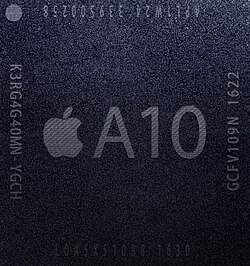
The Apple A10 Fusion is a 64-bit ARM-based System on a Chip (SoC) designed by Apple and manufactured by TSMC using a 16nm FinFET process. It debuted with the iPhone 7 and iPhone 7 Plus and later powered iPads and iPod Touch models.
It marked a major milestone as:
- Apple’s first quad-core mobile processor
- First use of heterogeneous big.LITTLE architecture
- Designed for performance + power efficiency balance
Key Specifications (Quick Overview)
| Feature | Details |
|---|---|
| Architecture | ARMv8-A (64-bit) |
| Cores | 4 (2× Hurricane + 2× Zephyr) |
| Clock Speed | Up to 2.34 GHz |
| GPU | PowerVR GT7600 Plus |
| Process Node | 16nm |
| Transistors | ~3.3 billion |
| RAM Support | LPDDR4 |
| Storage | NVMe |
| TDP | ~5W |
| AI Engine | No dedicated NPU |
Architecture Explained: Why “Fusion”?
The name “Fusion” refers to the combination of two types of cores:
🔥 Performance Cores (Hurricane)
- 2 high-performance cores
- Up to 2.34 GHz
- Used for heavy tasks like apps, editing, and processing
⚡ Efficiency Cores (Zephyr)
- 2 low-power cores
- Around 1.05 GHz
- Used for background tasks like messaging, idle operations
Unlike modern chips, the A10 cannot run all cores simultaneously — it switches between clusters to optimize battery life.
👉 This design made the chip extremely efficient for its time.
CPU Performance Analysis
Apple claimed:
- 40% faster CPU performance vs A9
- Significant improvements in real-world responsiveness
Geekbench 6 Scores
- Single-core: ~882
- Multi-core: ~1484
What This Means
- Strong single-core performance
- Decent multitasking (limited by architecture)
- Optimized for iOS smoothness
👉 Even in 2026, it handles:
- Browsing
- Messaging
- Light productivity
quite smoothly.
GPU Performance (Graphics Power)
The A10 Fusion uses:
👉 PowerVR GT7600 Plus GPU
Improvements
- Up to 50% faster graphics vs A9
- Better efficiency (lower power consumption)
Capabilities
- 192 shaders
- Vulkan & Metal support
- 4K video playback support
Real Performance
- Smooth UI animations
- Handles casual graphics workloads
- Struggles with modern heavy 3D workloads
Benchmark Performance
📊 AnTuTu Score
- Around 516,000 (v11)
📊 Geekbench
- Single-core: ~882
- Multi-core: ~1484
📊 3DMark
- Score: ~693
Interpretation
| Category | Performance |
|---|---|
| CPU | Moderate |
| GPU | Low–Moderate |
| Efficiency | High |
| AI | Weak (no NPU) |
Memory & Storage
- RAM Type: LPDDR4
- Bandwidth: Up to ~25.6 GB/s
- Storage: NVMe (fast for its time)
👉 This combination ensured:
- Fast app loading
- Smooth UI transitions
Multimedia Capabilities
The A10 Fusion supports:
Video
- 4K recording (30FPS)
- 4K playback
- HEVC & H.264 codecs
Camera Support
- Up to 32MP single camera
- Dual 12MP setup
Audio
- Multiple codec support (AAC, MP3, etc.)
👉 Result: Excellent multimedia experience (even today for basic use)
Connectivity Features
- 4G LTE Cat. 12 (up to 600 Mbps)
- Wi-Fi 5
- Bluetooth 4.2
- GPS + GLONASS + BeiDou
❌ No 5G support
❌ No Wi-Fi 6
AI & Machine Learning
Unlike modern chips:
- ❌ No Neural Engine (NPU)
- AI tasks handled by CPU/GPU
👉 This limits:
- AI photo processing
- Smart features
- Voice recognition speed
Devices Powered by Apple A10 Fusion
The chip was used in:
- iPhone 7
- iPhone 7 Plus
- iPad (6th Gen)
- iPad (7th Gen)
- iPod Touch (7th Gen)
Real-World Performance (2026)
Let’s be realistic — this is a 9+ year old chip.
✔ Still Good For:
- Calls & messaging
- Social media
- YouTube & streaming
- Basic productivity
⚠ Limitations:
- Slower app loading (modern apps)
- No advanced AI features
- Limited OS support
Battery Efficiency
One of A10’s biggest strengths:
- ~5W power usage
- Smart core switching
👉 Result:
- Excellent battery life
- Minimal heat generation
A10 Fusion vs A9 vs A11
| Feature | A9 | A10 Fusion | A11 Bionic |
|---|---|---|---|
| Cores | 2 | 4 | 6 |
| AI Engine | No | No | Yes |
| Performance | Base | +40% | Much higher |
| GPU | Moderate | Better | Much better |
👉 A10 is a transitional chip between old and modern architectures.
Pros and Cons
✅ Pros
- Efficient architecture
- Strong single-core performance
- Reliable long-term performance
- Smooth iOS experience
❌ Cons
- No AI engine
- No 5G
- Limited multitasking
- Outdated GPU
Is Apple A10 Fusion Still Good in 2026?
👍 Yes, if:
- You need a basic device
- Budget is tight
- Usage is light
👎 No, if:
- You want modern performance
- You need AI features
- You use heavy apps
Final Verdict
The Apple A10 Fusion is a historically important processor that introduced hybrid core architecture to Apple devices. While it is no longer competitive with modern chipsets, it remains:
👉 Reliable
👉 Efficient
👉 Usable for basic tasks
It represents a turning point that led to powerful chips like A11 Bionic and beyond.
FAQ Section (SEO Boost)
What is Apple A10 Fusion processor?
The Apple A10 Fusion is a quad-core mobile processor launched in 2016, featuring two performance and two efficiency cores.
Is Apple A10 Fusion still usable in 2026?
Yes, for basic tasks like browsing, calling, and streaming, but not for heavy workloads.
Does A10 Fusion support 5G?
No, it only supports 4G LTE.
What is the GPU in A10 Fusion?
It uses the PowerVR GT7600 Plus GPU.
Which phones use A10 Fusion?
Mainly iPhone 7 and iPhone 7 Plus.