
0
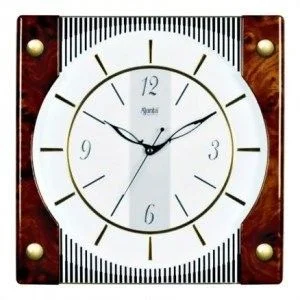
Why the Silent Sweep is Changing Modern Decor: 5 Takeaways from the Ajanta 1437
The rhythmic, repetitive ticking of a traditional wall clock can swiftly transition from a background hum to a persistent psychological irritant, particularly in spaces dedicated to rest or deep cognitive labor. For those seeking to curate an auditory sanctuary, this mechanical pulse often fractures the peace of a modern home. The Ajanta 1437 Designer Wall Clock emerges as a sophisticated antidote, seamlessly merging silent movement technology with an aesthetic that bridges the gap between heritage and contemporary minimalism.
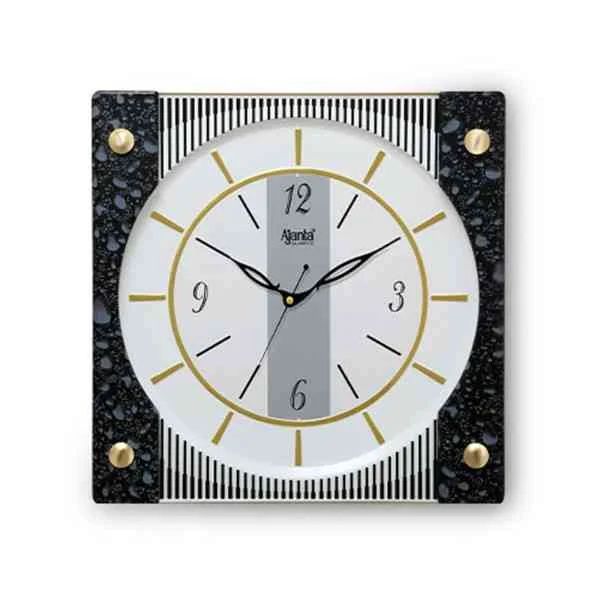
1. The Power of “Real Silent Sweep” (RSS)
The technical soul of the Ajanta 1437 is its “Real Silent Sweep” (RSS) movement, a high-caliber execution of the “Sweep Second” category. Unlike standard quartz movements that advance the second hand in audible, jarring increments, the 1437 employs a continuous, fluid motion that effectively silences the mechanism. This engineering choice is paramount for environments requiring absolute acoustic clarity, such as libraries, nurseries, or executive studies.
“Enjoy precise timekeeping without the ticking noise—perfect for quiet environments.”
For the modern minimalist, the RSS feature is an essential acquisition. Minimalist design is not merely the absence of visual clutter; it is the reduction of sensory noise. By eliminating the constant reminder of time’s passage, the Ajanta 1437 fosters a more serene and intentional atmosphere, allowing the occupant to focus on the present moment.
2. A Masterclass in Visual Contrasts
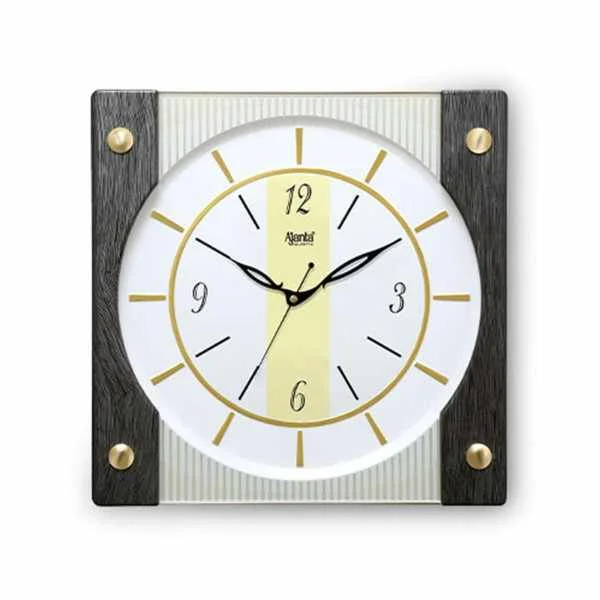
The Ajanta 1437 is a premier example of “Mixed Theme” design, characterized by a deliberate juxtaposition of eras. The interface features a vibrant, multicolor palette that feels decidedly modern, yet it is anchored by classic, vintage-style numbering. This “ergonomic visual design” ensures that while the clock remains a bold statement piece, it never loses its primary function: effortless legibility.
Available in both silver and brown finishes, the clock is expertly styled to complement “ivory ware” or “textured interiors.” From a critic’s perspective, the silver-toned outline is particularly successful; its cool, metallic sheen provides a crisp, sophisticated contrast against the inherent warmth of ivory walls or dark wooden furniture. This ability to harmonize disparate elements makes the piece a natural conversation starter—a bridge between traditional craftsmanship and modern flair.
3. Precision Engineering and Curated Reliability
Beneath the decorative exterior lies a commitment to technical accuracy that is often overlooked in lifestyle-focused horology. As a technical curator, one must appreciate the reliability of a Quartz movement that maintains high performance at an accessible price point of approximately ₹ 650.
- Accuracy Rating: +/- 20 seconds per month.
- Product Dimensions: 330 x 325 x 50 mm.
- Package Dimensions: 333 x 50 x 336 mm.
- Warranty: The manufacturer provides peace of mind with a warranty (ranging from 6 months to 1 year depending on the specific vendor context), reinforcing the device’s status as a durable household staple rather than a transient ornament.
The 1437 ensures that aesthetic versatility is backed by industrial rigor, maintaining its utility as a primary timekeeper in any professional or domestic setting.
4. The “Woody Process” Aesthetic
Though constructed from durable plastic, the Ajanta 1437 achieves a premium, organic look through a specialized “Woody Process.” This technique utilizes matte finishes and faux-grain textures to mimic the depth and tactile appeal of solid wood without the associated weight or maintenance requirements.
Combined with “decorative ornaments” that add visual weight, this textural design allows the clock to sit comfortably within environments featuring “extensive furniture ware.” It offers the prestige of a luxury timepiece while utilizing modern materials that are resilient and lightweight. This is “affordable luxury” at its most pragmatic: achieving high-end textural depth through clever material science.
5. Unexpected Versatility: A Disruptive Placement Strategy
While most wall clocks are confined to the center of a living room wall, the Ajanta 1437 invites a more disruptive placement strategy. Its square silhouette and premium finish make it uniquely suited for non-traditional surfaces where wall space might be limited by art or architectural features.
A standout suggestion from the manufacturer is to attach the clock directly to large wardrobes. In this context, the clock transcends its role as a tool and becomes a functional showpiece, integrating directly into the room’s cabinetry to create a custom, built-in look.
Ideal Environments for the 1437:
- Large Wardrobes: As a bold, integrated furniture accent.
- Living Rooms: Providing a focal point on textured or ivory-toned walls.
- Office Suites: Offering a professional, silent timekeeping solution that respects the need for focus.
Conclusion: A Timeless Perspective
The Ajanta 1437 is more than a utility; it is a testament to the brand heritage of the Orpat Group, a titan in Indian horology. By prioritizing an “auditory sanctuary” and a “mixed theme” aesthetic, Ajanta has created a piece that balances affordable luxury with genuine technical precision.
In an age of omnipresent digital screens, is there still a place for the silent, sweeping grace of a physical clock in your workspace? If that clock is the Ajanta 1437, the answer is a resounding yes.